Strength and mobility are the single most important predictors of independence and quality of life in your sixties, seventies, and beyond. The research on this is overwhelming. And yet, the standard fitness options available to older adults in Brampton, Kitchener, and across the GTA-KWC corridor are catastrophically misaligned with what older bodies actually need.
This guide explains why in-home personal training is the best fitness investment most older adults can make — and what to look for in a coach who actually understands aging bodies.
The Real Problem With Most Senior Fitness Options
Most senior fitness in Ontario falls into one of three buckets, and all three have significant gaps.
Community centre group classes are inexpensive and social, but the programming is generic, the instructors typically aren't trained in advanced gerontology or pain-aware exercise, and the room tends to be too crowded to give you individual attention. If you have a hip replacement, a frozen shoulder, balance issues, or osteoporosis, the class won't accommodate you properly.
Big-box gyms are intimidating, the layouts are designed for younger people, the equipment isn't always senior-friendly, and the trainers usually specialize in 25-year-old fat loss clients, not 65-year-old longevity clients.
Generic personal training studios are better but require you to commute. For seniors who shouldn't or can't drive — or who simply don't want to — that's a deal-breaker.
The fourth option, in-home personal training, solves all of these problems at once.
Why In-Home Wins for Older Adults
1. The trainer comes to you. This sounds small. It's not. The commute is the single biggest barrier to consistent fitness for older adults. Take it away, and the rest gets dramatically easier.
2. The space is familiar. You're in your own home. You know where the bathroom is. You know where to sit if you need a break. There's no social pressure. There's no awkward locker room. There's nothing intimidating about the setup.
3. The program is built specifically for you. Group classes can't accommodate your specific arthritis, your recent surgery, or your unique balance profile. A one-on-one in-home trainer can.
4. Equipment is appropriate. We bring exactly what your body needs — adjustable weights you can actually handle, balance tools sized correctly, stability work appropriate to your level. No giant Olympic barbells you'd never touch anyway.
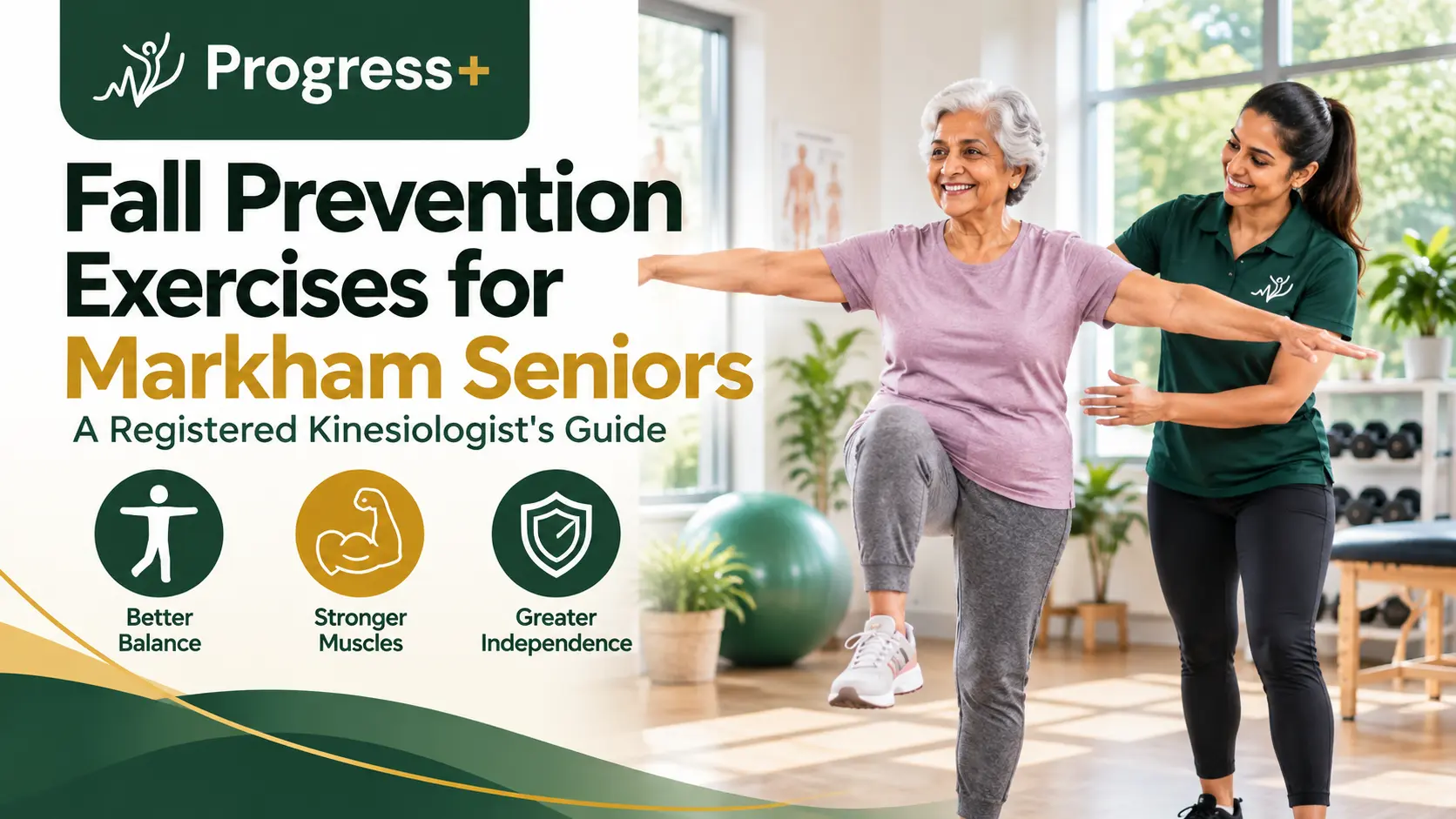
5. Safety is paramount. Falls are the leading cause of injury in older adults. Training balance, reactive strength, and recovery patterns in your own home — on your own carpet, near your own furniture — translates directly to real-world safety. Training in a gym does not.
6. Consistency is achievable. When the trainer comes to you, sessions don't get skipped. Weather isn't a barrier. Driving fatigue isn't a barrier. Showing up is the hardest part of fitness, and we eliminate it.
What Older Adults Should Actually Train
The biggest mistake we see is older adults focusing on cardio and stretching while ignoring the two things that actually matter most: strength and balance.
Strength training is the single most powerful intervention available to slow age-related decline. Loss of muscle mass (sarcopenia) is the primary driver of frailty, falls, and loss of independence. Two to three sessions of properly programmed strength training per week can reverse it for most adults in their sixties and seventies, and meaningfully slow it for adults in their eighties.
Balance and reactive strength is the second priority. The ability to catch yourself when you stumble, recover from a misstep, and stay on your feet is the difference between a near-miss and a hip fracture. This is trainable at any age.
Mobility and joint health matters but is overrated as a standalone goal. Most "mobility issues" in older adults are actually strength issues. Strengthen the muscles around the joint, and mobility usually returns.
Cardiovascular training is important but lower priority than strength for most older adults. A regular brisk walking habit covers most of the cardiovascular benefit. The marginal value of additional cardio is much lower than the marginal value of additional strength.
What to Look For in a Senior-Specialized Trainer
A trainer working with older adults should:
- Have specific education in senior or pain-aware programming
- Be CPR certified and insured
- Do a thorough intake including medical history, medications, surgeries, and current limitations
- Communicate well — many older adults need extra time to understand cues and instructions
- Be patient and encouraging without being condescending
- Know when to refer out (cardiac concerns, falls, severe pain, etc.)
- Coordinate with your medical team
Progress+ trains adults 55, 65, 75, and 85+ across Brampton, Kitchener, Mississauga, Toronto, Oakville, and the entire GTA-KWC corridor. Our trainers are specifically educated in age-appropriate programming, balance and fall prevention, and progressive strength training for the older body.
What Most Clients Tell Us After 12 Weeks
The feedback from our senior clients after a structured 12-week training cycle is remarkably consistent. They feel stronger. They sleep better. They walk farther without getting tired. They climb stairs more easily. They feel more confident on uneven ground. They have less joint pain, not more. They have measurably better balance.
After 12 months, most can do things they hadn't done in years — get up from the floor unaided, carry groceries in from the car, play with grandchildren without fatigue, travel without worrying about mobility.
The investment, both in time and money, almost always pays back many times over in quality of life.
Ready to Get Started?
If you're an older adult in Brampton, Kitchener, or anywhere across the GTA-KWC region and you want to invest in your strength, mobility, and independence, book a free assessment with Progress+. We'll come to your home, do a thorough movement and strength assessment, discuss your goals and limitations, and recommend the right program. No pressure, no commitment, no jargon — just an honest conversation about what your next decade could look like.